CATEGORIES
TAGS
Learn Podcast Production for Powerful Product Discovery

Over 80 percent of American podcast listeners say audio quality influences whether they stick with an episode. Setting up the right recording environment has never mattered more for creators hoping to build a loyal following. This guide breaks down the simple steps that help American podcasters achieve crisp, engaging sound while also surfacing deeper insights from each episode.
Table of Contents
- Step 1: Set Up Your Podcast Recording Environment
- Step 2: Capture and Edit Engaging Audio Content
- Step 3: Integrate Podcast Transcript Analysis Tools
- Step 4: Surface Trending Products and Insights From Episodes
- Step 5: Monetize and Share Data-Driven Discoveries
Quick Summary
| Important Insight | Explanation |
|---|---|
| 1. Create a Quiet Recording Space | Choose a small, quiet room with absorbent materials to minimize noise and improve audio clarity. |
| 2. Position Your Microphone Properly | Place the microphone 6 to 12 inches from your mouth at a 45-degree angle to optimize sound quality. |
| 3. Edit for Clarity and Engagement | Remove background noise, awkward pauses, and distractions during editing to enhance listener experience. |
| 4. Utilize Transcript Analysis Tools | Use software to convert audio into structured data for deeper insights on content and trends. |
| 5. Monetize Insights Strategically | Identify popular products discussed in episodes to create marketable reports and revenue streams. |
Step 1: Set Up Your Podcast Recording Environment
Creating a professional podcast recording environment is crucial for producing high quality audio that sounds crisp and engaging. You want a space that minimizes background noise and maximizes sound clarity so your audience stays focused on your content.
Start by selecting a quiet room with minimal external sounds. University of Colorado Boulder recommends choosing spaces with absorbent materials like carpets which help reduce unwanted echoes and ambient noise. Aim for a small enclosed space away from high traffic areas in your home or office such as a closet, home office, or dedicated recording corner. Remove potential noise sources like fans, air conditioners, or devices with mechanical sounds.
Positioning your microphone correctly makes a massive difference in audio quality. Experts suggest placing your microphone 6 to 12 inches from your mouth at a 45-degree angle to capture clear sound while minimizing breath and plosive noises. Consider investing in a cardioid microphone designed to filter out background sounds and focus on your direct audio input. Use headphones during recording to monitor sound levels and catch any potential audio issues in real time.
Pro tip: Test your recording environment by making a short test recording and listening back with critical ears. Check for echo, background noise, or audio inconsistencies that might distract your listeners. Small adjustments like adding a blanket on the wall or moving slightly can dramatically improve your sound quality.
Step 2: Capture and Edit Engaging Audio Content
Podcast audio production requires a blend of technical skill and creative storytelling to transform raw recordings into compelling listening experiences. Your goal is to capture clear, professional sound that keeps your audience engaged from start to finish.
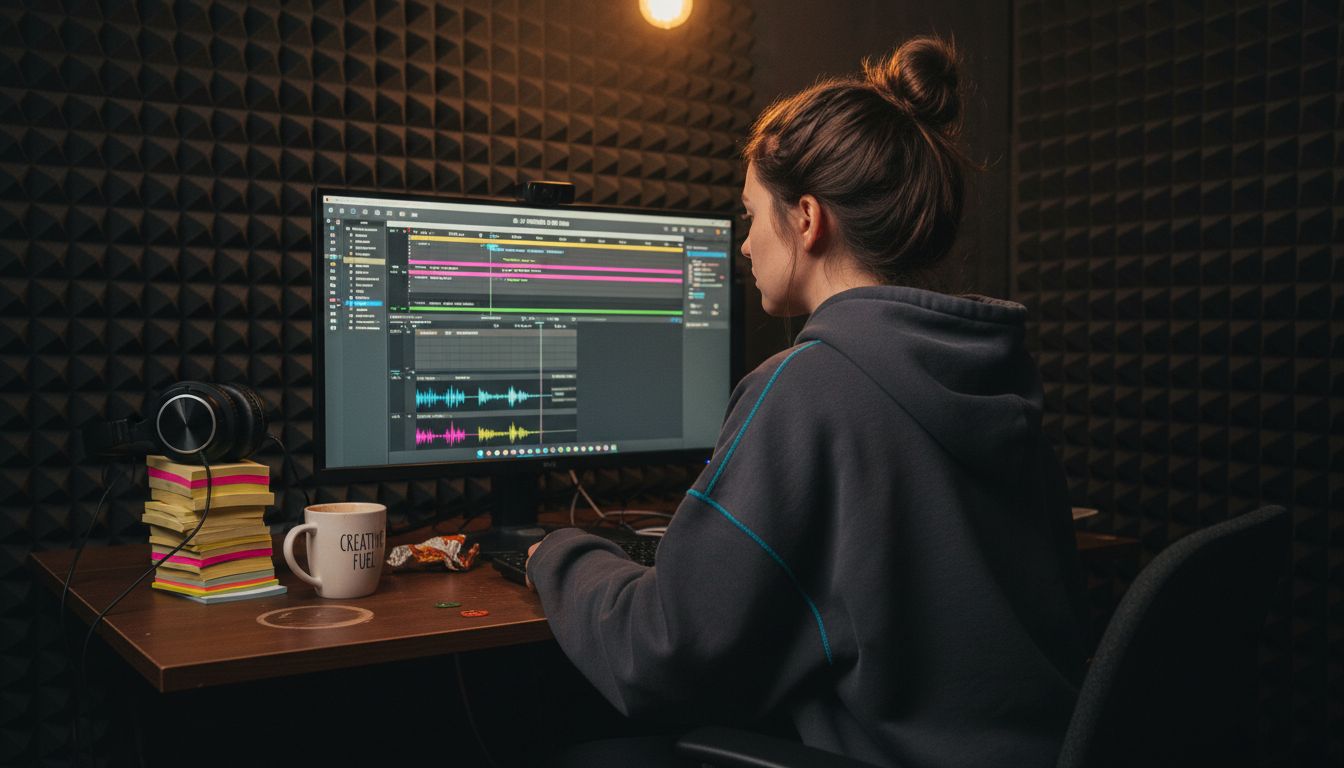
Stanford University recommends positioning your microphone strategically to optimize sound quality. Place the microphone 1 to 2 feet from your mouth at a consistent level, minimizing body movements and avoiding paper rustling sounds. Digital notes on your device can help you track talking points without creating distracting noises. When recording, maintain a consistent voice volume and speak directly into the microphone to ensure crisp audio capture.
During the editing phase, focus on removing background noise, awkward pauses, and verbal stumbles that might distract listeners. Use audio editing software to trim unnecessary segments, adjust sound levels, and create a smooth listening experience. Consider adding subtle background music or sound effects to enhance engagement, but be careful not to overpower your primary content. Practice your edit techniques to develop a natural flow that sounds professional yet conversational.
Pro tip: Always do a test recording and listen back critically. Check for audio clarity, background noise, and overall sound quality. Small adjustments can dramatically improve your podcast’s production value and listener experience.
Step 3: Integrate Podcast Transcript Analysis Tools
Transcript analysis tools are game changers for podcasters looking to unlock deeper insights from their audio content. By transforming spoken words into structured data, you can discover hidden patterns, track product mentions, and create more engaging listener experiences.
Researchers have developed advanced models like PODTILE that can automatically segment podcast transcripts into chapters with precise titles and timestamps, making it easier to navigate and understand complex audio content. When integrating transcript analysis tools, start by selecting software that offers accurate speech to text conversion, semantic analysis, and the ability to extract key themes and product references. Look for tools that can identify speaker changes, highlight important discussion moments, and provide searchable metadata.
The editing process becomes significantly more powerful with intelligent transcript tools. Advanced systems now combine extractive and abstractive summarization techniques to condense speech while preserving the original content and style. This means you can quickly generate concise summaries, identify trending topics, and create targeted clips that showcase your podcast’s most valuable moments. Experiment with different analysis features to find the workflow that best suits your content creation style.
Pro tip: Always review automated transcripts for accuracy. While AI tools are impressive, they can sometimes misinterpret specialized terminology or unique speaking styles. Manual spot checking ensures your transcript analysis remains reliable and meaningful.
Step 4: Surface Trending Products and Insights From Episodes
Unlocking the hidden treasure trove of product recommendations within podcast episodes requires strategic analysis and smart filtering. Your goal is to transform hours of audio content into actionable insights that reveal what products, tools, and services are capturing listeners attention across different industries.
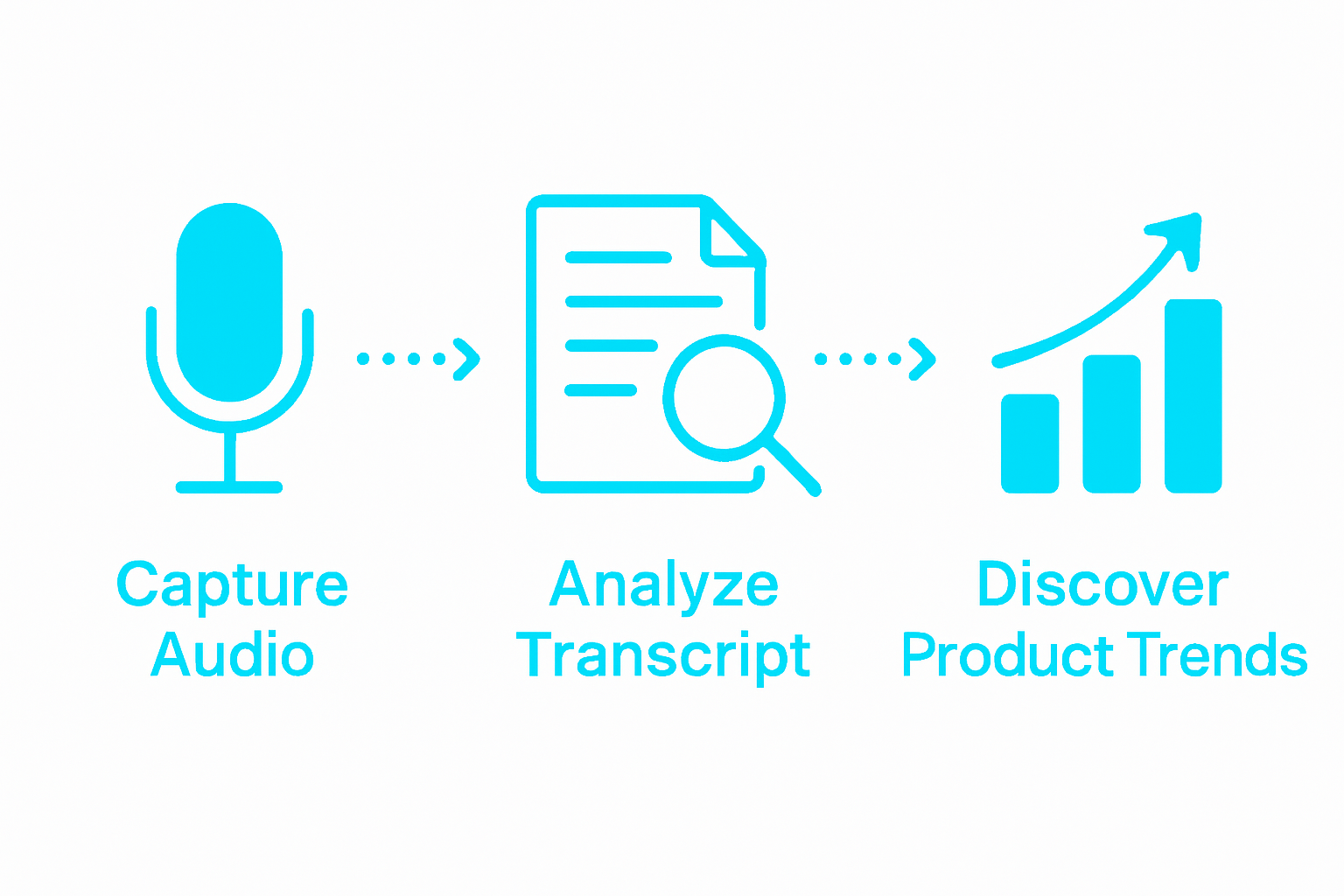
Research on podcast engagement demonstrates how personalized recommendations can significantly influence listener behavior and content consumption patterns. To effectively surface trending products, implement a systematic approach that combines transcript analysis, keyword tracking, and contextual understanding. Focus on identifying frequency of mentions, sentiment around specific products, and the credibility of the speakers recommending them. Pay special attention to expert recommendations, personal anecdotes, and detailed product discussions that go beyond surface level mentions.
Advanced podcast analysis tools can help you automatically generate chapters and highlight key discussion moments, making it easier to pinpoint exact timestamps where products are discussed in depth. Create a tagging system that categorizes products by industry, type, and context to build a comprehensive database of podcast product insights. This approach transforms raw audio into structured data that marketers, brands, and listeners can easily navigate and understand.
Pro tip: Dont rely solely on automated tools. Always cross reference machine generated insights with manual review to ensure accuracy and capture nuanced discussions that algorithms might miss.
Step 5: Monetize and Share Data-Driven Discoveries
Transforming podcast insights into profitable opportunities requires strategic thinking and a deep understanding of your audience’s preferences. Your goal is to convert the rich data mined from podcast transcripts into valuable assets that can generate revenue and provide meaningful marketing intelligence.
Research on podcast engagement reveals how personalized recommendations can dramatically influence user behavior and content consumption patterns. Start by identifying the most frequently mentioned products, brands, and services across your podcast library. Create comprehensive reports that showcase trending items, segment them by industry, and highlight the context of their discussions. These insights become powerful tools for marketers, brands, and affiliate partners seeking to understand real world product recommendations.
Advanced podcast analysis tools can help you auto generate chapters and pinpoint key discussion moments, making your data more accessible and marketable. Consider developing subscription based reports, partnering with market research firms, or creating targeted advertising packages that leverage your unique podcast insights. Build a monetization strategy that offers value to multiple stakeholders consumers looking for authentic product recommendations, brands seeking market intelligence, and advertisers wanting precise audience targeting.
Pro tip: Protect the integrity of your data by anonymizing personal information and maintaining transparency about your research methodology. Ethical data sharing builds trust and increases the long term value of your podcast insights platform.
Unlock the Power of Podcast Production with AI-Driven Product Discovery
Podcast creators face the challenge of transforming hours of audio into actionable insights that reveal trending products and expert recommendations. This article highlights the crucial steps of transcript analysis and surfacing key product mentions that podcast producers and marketers need to succeed. If your goal is to enhance your podcast’s impact by discovering exactly what resonates with listeners, then understanding how to leverage detailed transcript data is essential.
Prodcast offers the perfect solution to bridge this gap. Our AI-powered platform converts your podcast transcripts into structured, searchable data that reveals product trends and key discussion moments. Whether you want to identify the most mentioned supplements in health podcasts or explore which AI tools are trending on tech shows, Prodcast helps you turn conversations into real marketing intelligence.
Explore how Prodcast can amplify your podcast strategy by uncovering genuine audience interests and products with unmatched clarity. Discover more about our innovative approach at Prodcast and see how easy it is to harness your content’s full potential.
Ready to transform your podcast insights into business growth?
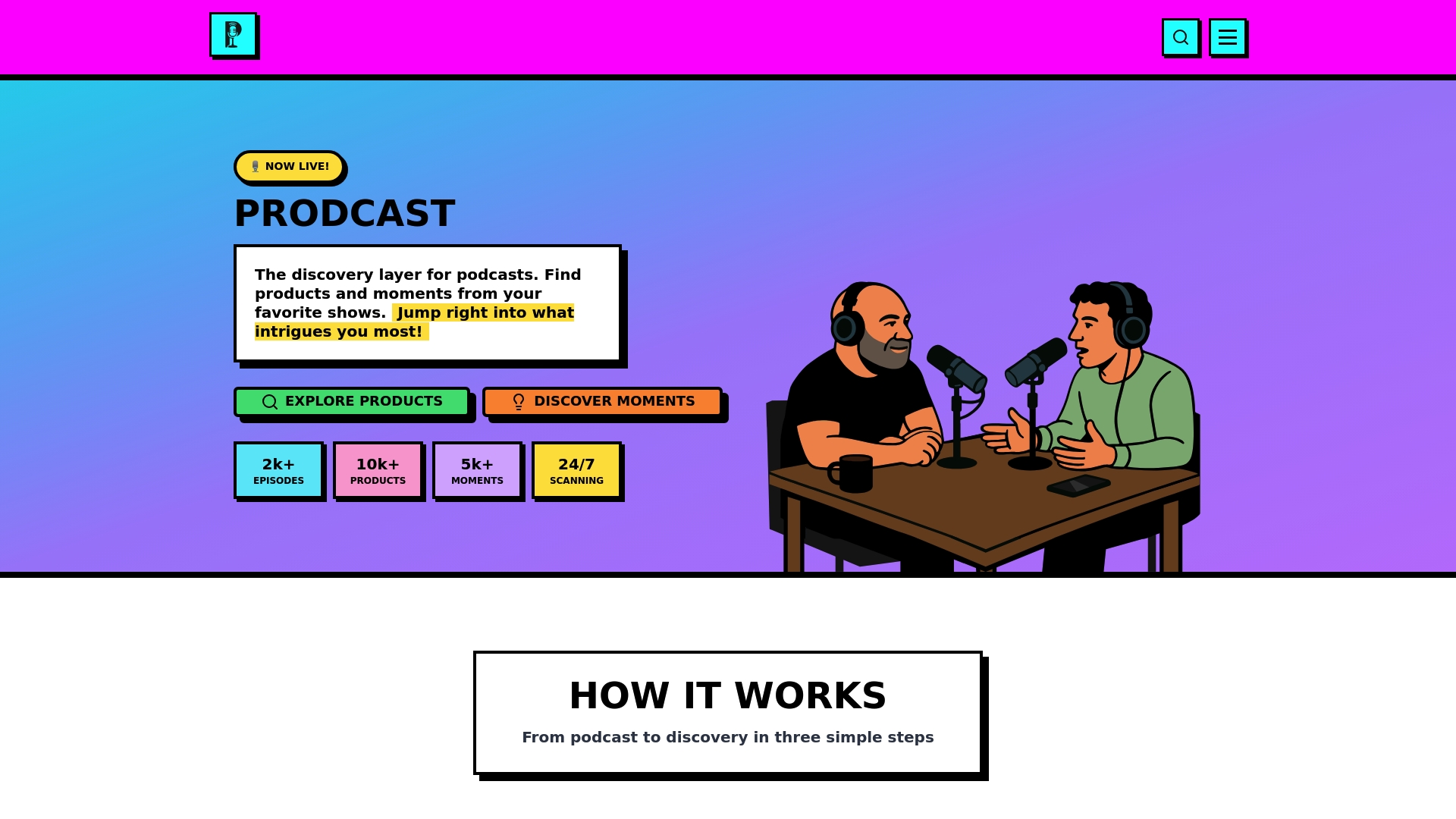
Start exploring the future of data-driven podcasting today at Prodcast. Visit us to learn how to unlock valuable product discoveries and elevate your content strategy.
Frequently Asked Questions
What are the essential steps to set up a podcast recording environment?
To set up a podcast recording environment, choose a quiet room with absorbent materials to minimize echoes and background noise. Position your microphone 6 to 12 inches away from your mouth at a 45-degree angle for clear sound capture.
How can I improve audio quality during podcast recording?
Improving audio quality involves testing your recording setup by making short test recordings. Adjust your microphone placement and eliminate any unwanted noise sources to enhance clarity.
What techniques can I use to edit my podcast content effectively?
To edit your podcast effectively, remove background noises and awkward pauses using audio editing software. Focus on maintaining a smooth flow to create a compelling and engaging listening experience.
How do transcript analysis tools benefit my podcast production?
Transcript analysis tools benefit podcast production by converting spoken words into structured data, enabling you to identify key themes and insights from your content. Implement these tools to discover product mentions and enhance the overall listener experience.
What strategies can I use to monetize insights from my podcast?
To monetize insights from your podcast, analyze frequently mentioned products and create comprehensive reports highlighting trends. Develop targeted advertising packages that appeal to brands and consumers based on your unique insights.
How can I ensure the accuracy of automated transcripts?
To ensure the accuracy of automated transcripts, always conduct manual reviews to verify the content. Spot check for specialized terminology or unique speaking styles that might not be captured correctly by automated systems.